Designer Door Handles: Material Science Deep Dive - Choosing the Right Handle for Wood, Glass, and Metal Doors in Bangalore Climate
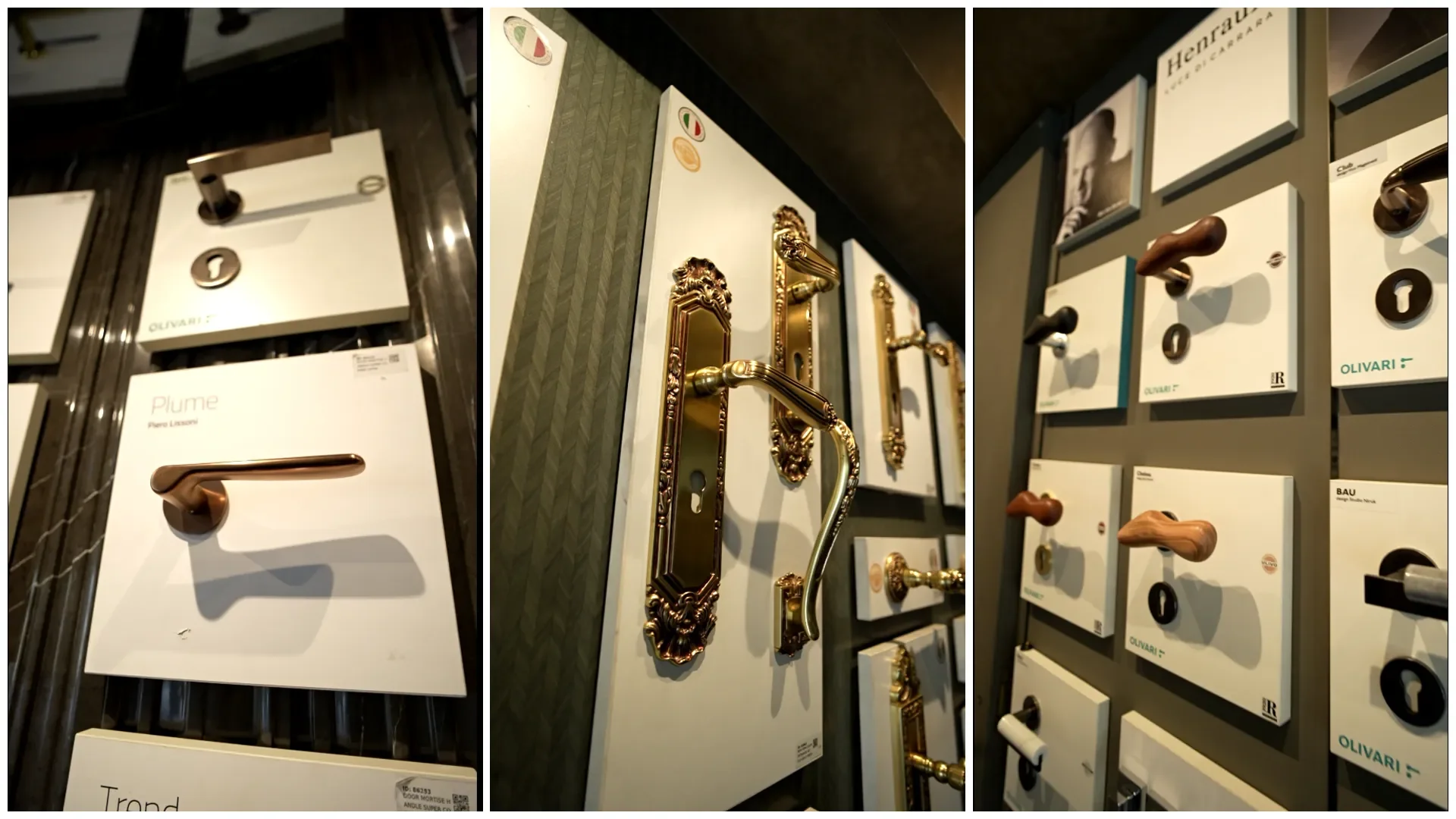
Designer Door Handles
In a city like Bangalore - where humidity swings from about 45–85% and temperatures shift between 65°F and 90°F - selecting the right designer door handles is more than an aesthetic decision. It’s a material science challenge. The wrong handle material can corrode, expand, discolor, or even compromise safety. The right one can last decades.
This guide breaks down the engineering behind designer door handles, using real-world data on thermal expansion, corrosion resistance, humidity tolerance, and door material compatibility. Whether you're working with wood, glass, or metal doors, this is your technical compass for making the right decision.
If you’ve ever wondered why a handle that looked perfect failed within two monsoons, this guide is your answer - built with specs, climate considerations, and compatibility science. Let’s decode the material truth.
Why Handle Material Matters in Bangalore’s Climate
Bangalore’s climate may feel pleasant, but for hardware, it’s a battlefield.
What the City’s Climate Does to Handles
Humidity spikes up to 95% in monsoons, accelerating corrosion.
Temperature swings cause metals to expand and contract.
Urban pollutants react with untreated metals.
Bathroom moisture triggers finish failure and peeling.
This is why designer door handles aren’t just accessories - they’re precision-engineered solutions. Choosing the wrong material means:
Tarnishing within months
Loosened screws due to expansion
Glass scratches from incompatible metals
Corrosion build-up (white powdering on zinc, green patina on ungecoated brass)
Material science is not optional - it’s essential.
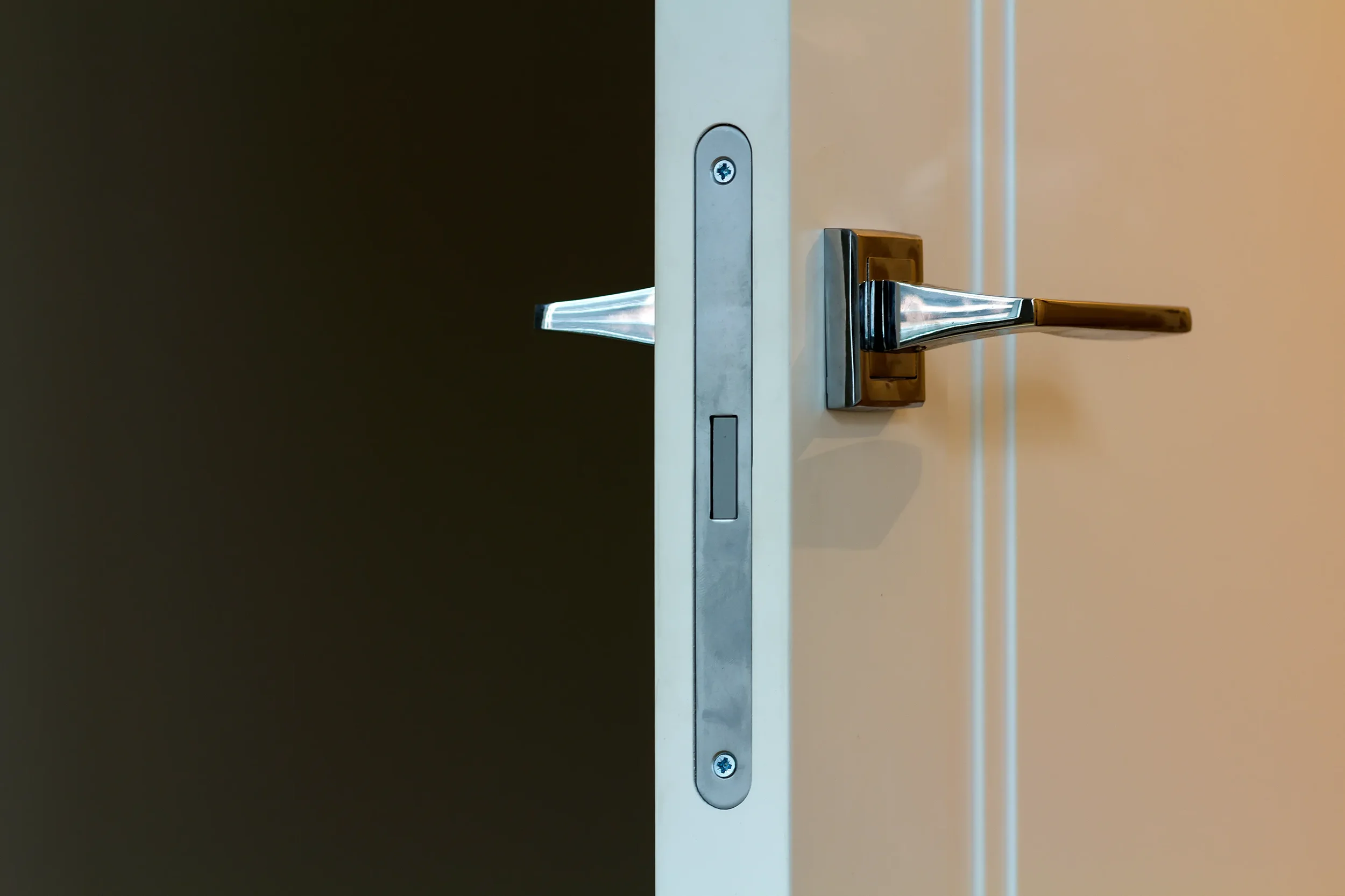
Designer Door Handles
Engineering Snapshot - Thermal Expansion & Corrosion Resistance Table
Below is a compatibility chart for the most common materials used in designer door handles.
Material Properties Comparison
| Material | Expansion ($\mu\text{m}/\text{m}\cdot^\circ\text{C}$) | Corrosion Resistance | Wood | Glass | Metal |
|---|---|---|---|---|---|
| Stainless Steel (SS304/316) | ~16–18 | Excellent | ✓ | ✓ | ✓ |
| Brass | ~18–19 | Good (tarnishes) | ✓ | ⚠ | ✓ |
| Aluminum | ~21–25 $\times 10^{-6}$ | High (scratches easily) | ✓ | ⚠ | ✓ |
| Zinc Alloy | ~26 | Fair (needs coating) | ⚠ | ✖ | ✓ |
| Wood | ~3 | Needs maintenance | ✓ | ✖ | ✖ |
| Crystal/Glass | ~5 | Non-corrosive | ⚠ | ✓ | ✖ |
Legend:
✅ Ideal
⚠️ Use with careful design/spec
❌ Not recommended
Designer Door Handles in Bangalore
Handle Material - Best Matches for Each Door Type
Each door material behaves differently. The right handle depends on weight, surface hardness, moisture exposure, and mounting technique.
1. Wooden Doors
Wood is forgiving, stable, and compatible with most materials.
Best materials:
Stainless Steel (SS304/316) – Ideal for modern homes; highly corrosion-resistant.
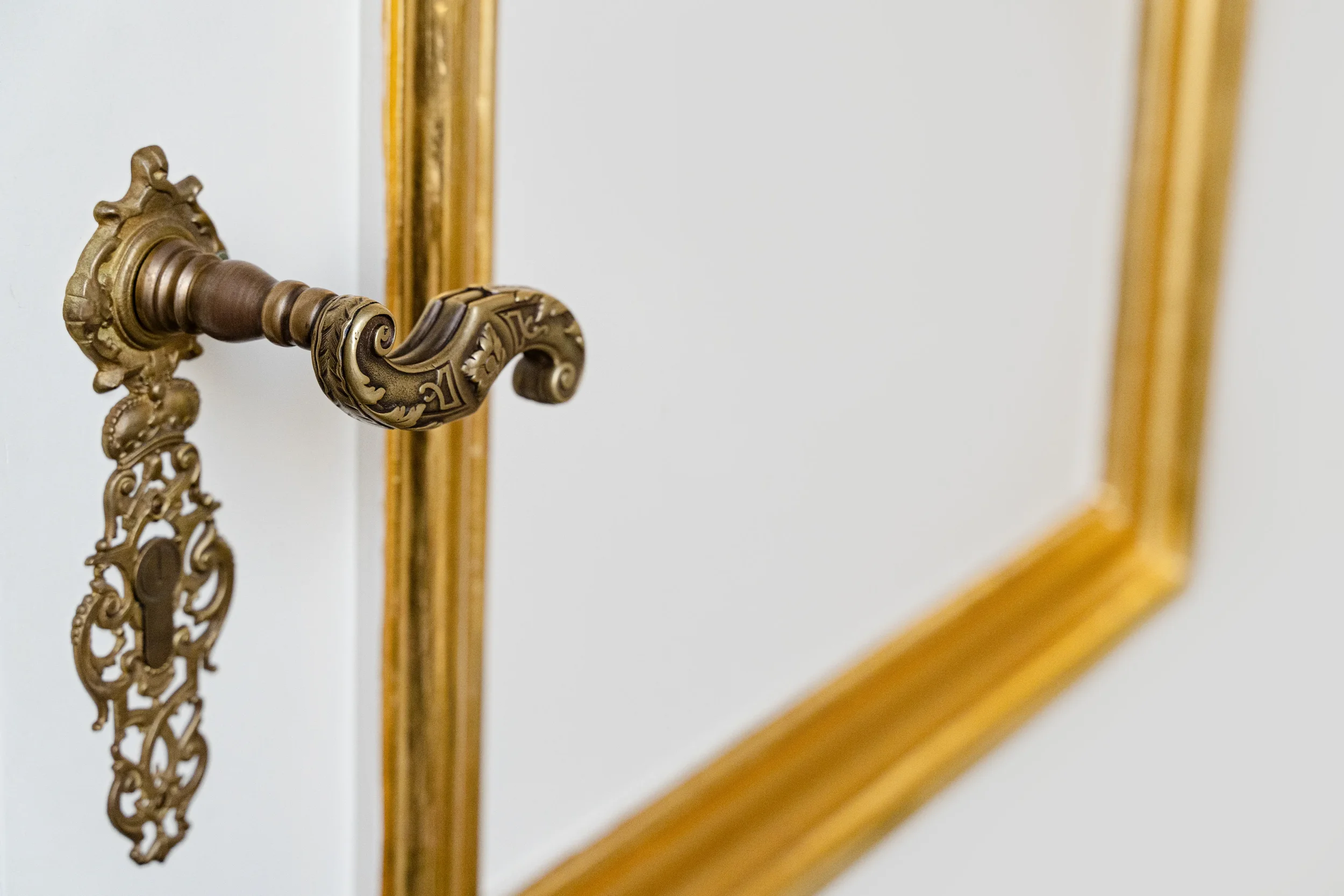
Brass (lacquered) – Perfect for heritage or luxury doors; needs humidity protection.
Aluminum – Lightweight and cost-effective for internal passages.
Pro Tip: In Bangalore humidity, always choose SS304/316 or lacquered brass.
Avoid: Cheap zinc handles - they corrode, pit, and discolor quickly.
2. Glass Doors
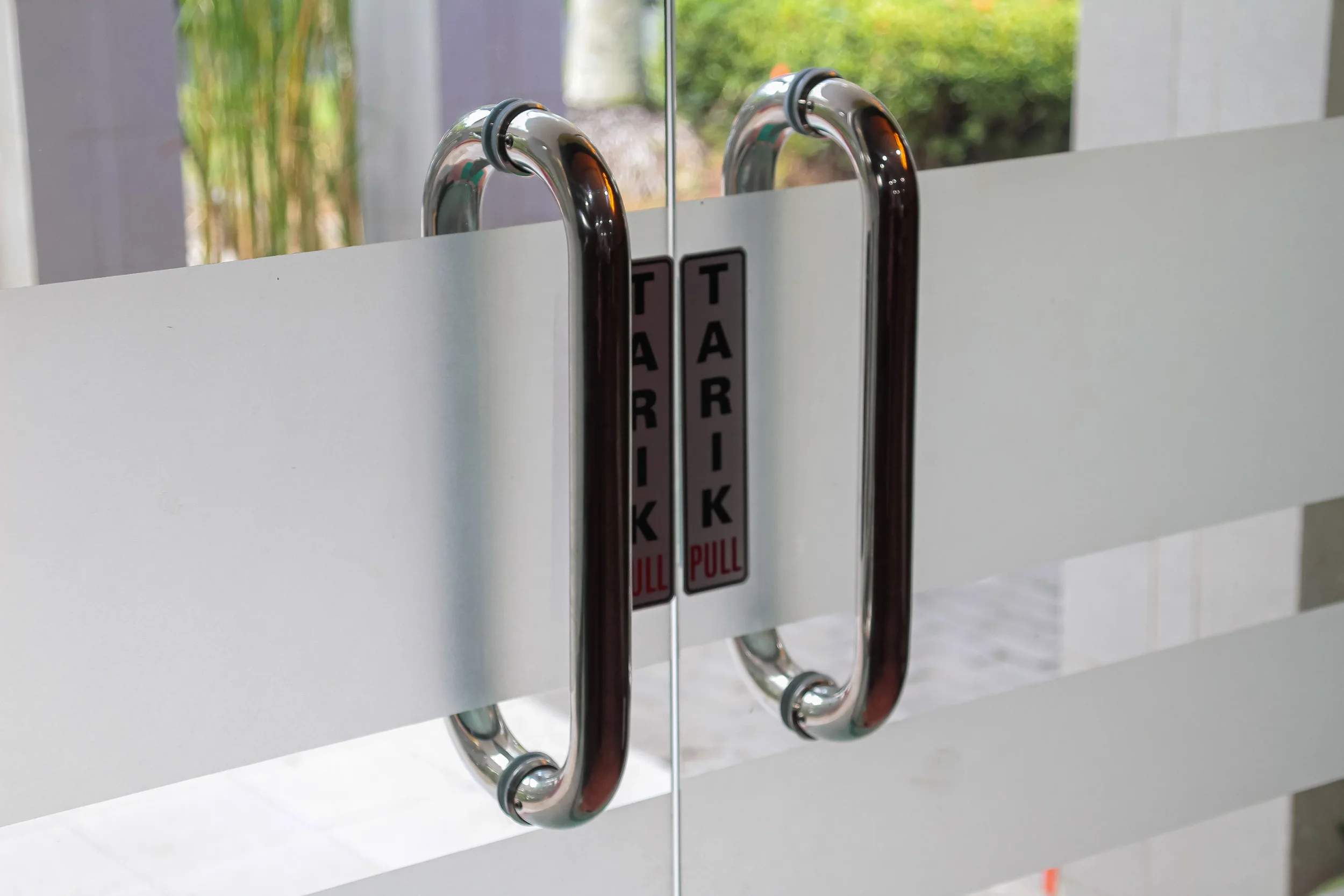
Glass requires materials with strong grip and controlled expansion.
Best materials:
Stainless Steel (SS304/316) – Best for durability and safety.
PVD-coated SS – Superior corrosion resistance for bathrooms.
Technical guidelines:
Minimum handle diameter: 32mm for glass stability.
Use through-glass mounting with gaskets to avoid cracking.
Choose finishes like brushed, matte black, PVD gold.
Avoid:
Brass (leaves patina stains on glass)
Zinc (coating peels in bathrooms)
3. Metal Doors
Metal doors expand and contract more than wood, so material matching is key.
Best materials:
Stainless Steel – Stable expansion rate, excellent durability.
Aluminum – Good for modern apartments and lighter doors.
Possible but cautious:
Brass – Use only with insulation washers (to avoid galvanic corrosion).
Pro Tip: For exterior doors or high-moisture zones, choose SS316.
Real-World Example Table - Fits & Fails
| Scenario | Correct Material | If Wrong Material Is Used |
|---|---|---|
| Balcony glass door | SS304/316 | Zinc/chrome peels & corrodes in rain |
| Heritage wooden main door | Lacquered brass | Low-grade steel rusts, finish fails |
| Office metal frame door | SS/aluminum | Brass causes bonding issues (galvanic corrosion) |
| Bathroom glass partition | PVD/SS316 | Brass stains glass, zinc peels |
| Condo internal wood doors | SS304/brass | Zinc pits and dulls fast |
What Is PVD, and Why Does It Matter in Bangalore?
PVD (Physical Vapor Deposition) is the gold standard for handle finishing.
Why PVD Is Essential:
Bonds metal atoms at molecular level
5× more corrosion-resistant than electroplating
10× more scratch-resistant
Best for coastal or humid environments
In short: PVD is the future of designer door handles - and the smartest upgrade for Bangalore homes.
Top brands at Gala - Olivari, Hafele, and Benzoville - use advanced PVD technology for long-lasting performance.
Quick Checks Before You Buy
Before choosing designer door handles, follow these technical checks:
Confirm door material & thickness (affects mounting system)
Stick to handles with material-grade disclosure: SS304, SS316, lacquered brass
Ask for salt spray test results (500+ hours)
Ensure the finish matches other room hardware
Check expansion ratings if door gets direct sunlight
These checks help prevent 90% of handle failures.
Technical Sidebars
Expansion Rate Compatibility
Wood & stainless steel = harmonious expansion
Brass okay with engineered gaps
Aluminum expands faster - avoid on large sun-exposed doors
Real-World Example Table - Fits & Fails
| Scenario | Correct Material | If Wrong Material Is Used |
|---|---|---|
| Balcony glass door | SS304/316 | Zinc/chrome peels & corrodes in rain |
| Heritage wooden main door | Lacquered brass | Low-grade steel rusts, finish fails |
| Office metal frame door | SS/aluminum | Brass causes bonding issues (galvanic corrosion) |
| Bathroom glass partition | PVD/SS316 | Brass stains glass, zinc peels |
| Condo internal wood doors | SS304/brass | Zinc pits and dulls fast |
Glossary
PVD: High-performance coating for durability
SS304/316: Corrosion-resistant stainless steel grades
Galvanic Corrosion: Metal-to-metal chemical reaction
Patina: Oxidation layer on brass
Conclusion
Choosing the right designer door handles is a scientific decision as much as a visual one. For wood, glass, or metal doors in Bangalore, climate and material data should guide every specification.
Visit Gala Hardware World to explore live samples, compare materials, access engineering-grade data sheets, and get professional advice on compatibility and installation.
Your handle is not an accessory - it is an engineered component.
FAQ
1. Which handle material is best for wooden doors in humid climates?
SS304/316 and lacquered brass offer the most stability and corrosion resistance.
2. Can I use brass handles on glass doors?
Not recommended. Brass patina can stain glass and expand unevenly.
3. What’s the difference between SS304 and SS316?
SS316 has molybdenum, making it far more corrosion-resistant - ideal for bathrooms and balconies.
4. Should I choose PVD finish for my villa?
Yes - PVD significantly enhances durability in humid or coastal climates.
5. Why did my zinc handle corrode in 2 years?
Zinc needs thick coating layers. In Bangalore humidity, low-cost zinc handles fail quickly.
