Designer Door Handles in Bangalore: A Specification Guide for Architects
When you specify designer door handles for a project in Bangalore, you're selecting the tactile signature of an interior. Long after paint colors fade from memory, the weight of a sand-cast brass lever, the acoustic click of a precision mechanism, the way morning light catches a hand-finished patina - these are the details that define material sophistication.
At Gala Hardware World, we curate European designer door handles from heritage foundries like Mestre and Olivari - not because they carry prestigious names, but because their production methods and material specifications represent architectural hardware as a category unto itself.
This guide addresses the specification parameters architects and interior designers should consider when sourcing designer door handles in Bangalore.
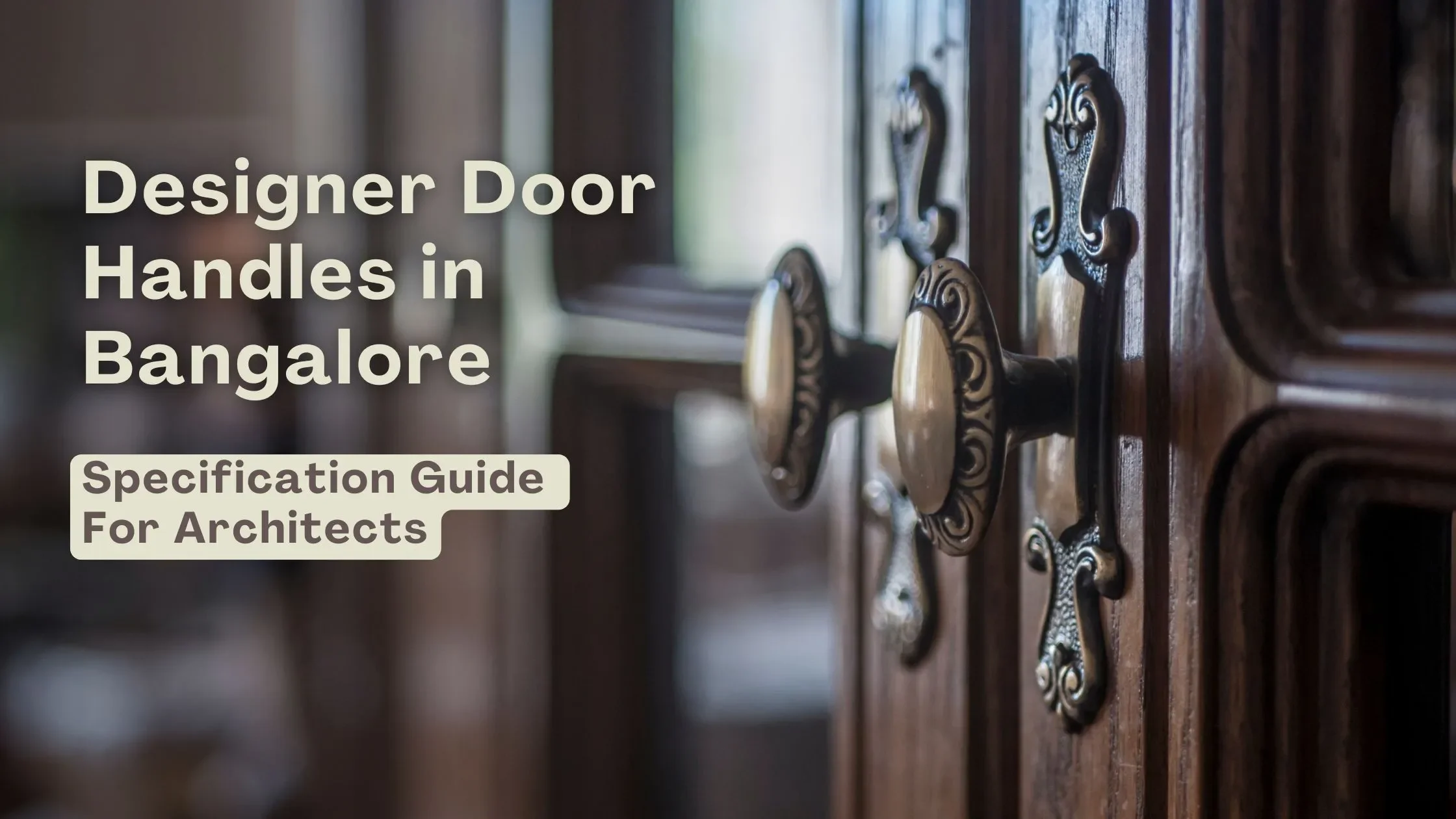
designer door handles
Why Material Heritage Matters in Designer Door Handles
Designer door handles occupy an unusual position in architectural specification. They combine the functional precision of engineered components with the expressive potential of decorative arts. The distinction between a competent door handle and an heirloom-grade piece isn't visible in a product catalog - it emerges through tactile interaction and sustained use.
European manufacturers like Mestre approach door hardware as sculptural metalwork. Founded in Valencia in 1952, Mestre's production process begins with sand-casting, a foundry technique that creates subtle surface variation and internal density you can feel when you grip the handle. After casting, each lever undergoes three days of hand-finishing - filing casting seams, buffing surfaces, and aging brass to develop an initial patina layer.
This method produces hardware with perceptible weight and thermal mass. In contrast to die-cast handles that feel hollow and conduct heat instantly, sand-cast brass maintains ambient temperature and distributes weight across your palm with organic balance. These aren't cosmetic differences - they're the material signature of slow metalwork.
Living Finishes: When Patina Becomes Design Intent
The dominant trend reshaping designer door handles in 2026 is the embrace of living finishes - brass and bronze hardware specified without protective lacquer. Unlacquered brass oxidizes through hand contact, developing a unique patina map that darkens where fingers grip most frequently.
For architects specifying high-end residential projects in Bangalore, living finishes solve a design problem: how to introduce material authenticity into interiors that risk feeling overly curated. A living brass door handle ages visibly, creating temporal depth that static finishes cannot replicate. After five years of use, no two handles will look identical - each becomes a record of human interaction.
This requires educating clients that patina development isn't deterioration. It's designed evolution. The surface doesn't corrode or weaken; it undergoes controlled oxidation that produces warm amber-to-chocolate tones. For projects where timeless sophistication matters more than showroom perfection, living finishes represent hardware at its most honest.
Texture as Tactile Authority: Knurled and Reeded Handles
Beyond finish, texture has emerged as the defining characteristic of 2026 designer door handles. Knurled grips, reeded patterns, and hammered surfaces add visual micro-texture and functional grip without resorting to traditional decorative embellishments.
Knurling - the diamond-cut crosshatch pattern originally developed for industrial tools - translates to architectural hardware as refined craft. When executed with precision milling, knurled handles create fine shadow lines that shift as light angles change throughout the day. The texture isn't purely aesthetic; it provides slip resistance that proves valuable in humid Bangalore climates where hands might be damp.
Reeded patterns offer similar tactile sophistication through parallel vertical grooves. This technique, rooted in classical column fluting, produces handles that feel engineered rather than decorative. The repetition creates rhythmic visual interest while maintaining minimalist proportions.
These textured treatments work particularly well on matte finishes where surface interruption enhances depth perception. A matte black knurled lever reads as deliberately restrained - industrial precision softened into domestic application.
Specification Considerations for Bangalore Projects
When specifying designer door handles for projects in Bangalore, several practical factors overlay aesthetic preferences. Humidity management, door weight compatibility, and long-term maintenance protocols all influence hardware performance.
Finish Durability in Tropical Climate
Bangalore's elevation moderates temperature, but seasonal humidity still impacts metal finishes. Unlacquered brass accelerates patina development in humid conditions - advantageous for living finishes, but requiring client awareness. Powder-coated finishes in matte black or graphite resist atmospheric moisture effectively, though they won't develop patina character.
Mechanism Quality Over Visible Design
The internal mechanism determines long-term performance more than external aesthetics. European manufacturers like Häfele and Mestre use stainless steel spring cartridges and brass cylinder cores that maintain lever return tension for decades. Budget alternatives often use zinc alloy mechanisms that develop spring fatigue within three years, causing handles to droop under their own weight.
Door Preparation and Installation Precision
Designer door handles often require tighter tolerances than standard hardware. Installation teams must be briefed on manufacturer specifications - backset dimensions, spindle lengths, and rose plate registration all affect final operation. Misalignment causes binding, accelerated wear, and compromised aesthetics.
Why Architects Choose Gala Hardware World for Designer Door Handles
Gala Hardware World functions as a design partner for architects specifying high-end hardware in Bangalore. Our showroom at Gala Square, near Lalbagh West Gate, maintains comprehensive displays of Mestre, Häfele, and European luxury lines - not as a retail inventory, but as a material library where tactile comparison informs specification decisions.
We stock designer door handles with lead times measured in days, not weeks. For projects requiring matched sets across multiple properties, we maintain consistent lot sourcing to prevent finish variation. Our staff understands specification language - backset, rose diameter, spindle length - and can cross-reference technical requirements with aesthetic intent.
This approach positions Gala Hardware World beyond conventional hardware supply. We curate, consult, and deliver architectural hardware with the precision it demands.
Designer Door Handles as Material Permanence
In an industry increasingly dominated by rapid obsolescence, designer door handles represent material investment that appreciates through use. The right hardware matures with a building - developing patina, accumulating tactile history, becoming more distinctive as conventional finishes degrade into uniformity.
For architects and interior designers specifying projects in Bangalore, this permanence matters. A Mestre lever handle specified today will outlast several renovation cycles, maintaining performance and aesthetic integrity long after paint colors change and furnishings rotate.
That's not marketing rhetoric. It's foundry-grade brass, precision-machined mechanisms, and production methods unchanged for seventy years.
Contact: 📞 +91 70223 30956
Location: #125, Gala Square, RV Road, Near Lal Bagh West Gate, Bengaluru - 560004
Website: galahardware.com
FAQs - Designer Door Handles
1.What makes a door handle a design investment rather than functional hardware?
Designer door handles use sand-casting, hand-finishing, and stainless steel mechanisms that maintain performance for decades. The material develops patina through use, creating temporal depth rather than aging into obsolescence. This transforms hardware from a consumable component into architectural permanence
2.Should architects specify unlacquered brass handles for residential projects?
Unlacquered brass suits clients who value material authenticity over static perfection. The patina development creates unique character, but requires upfront client education that oxidation represents designed evolution, not deterioration. For projects prioritizing unchanging appearance, powder-coated or satin finishes offer stable alternatives.
3.Which European door handle brands does Gala Hardware World stock?
Gala Hardware World curates Mestre (Spanish luxury hardware, Valencia foundry est. 1952), Häfele (German engineering and modular systems), Olivari, and Salice. These brands represent different design philosophies - from Mestre's artisanal sand-casting to Häfele's precision manufacturing - allowing specification flexibility across project aesthetics.
4.What's the difference between knurled and reeded door handles?
Knurling creates a diamond-pattern crosshatch texture through precision milling, offering slip resistance and visual micro-texture. Reeding produces parallel vertical grooves inspired by classical column fluting. Both enhance grip in humid conditions while maintaining minimalist aesthetics through textured surfaces rather than decorative embellishment.
5.How does Bangalore's climate affect brass door handle finishes?
Seasonal humidity accelerates patina development on unlacquered brass, creating richer oxidation tones faster than dry climates. This enhances living finish character but requires client understanding. Powder-coated and satin finishes resist atmospheric moisture, maintaining consistent appearance. Both approaches perform reliably with appropriate finish selection matching project intent.
6.What internal mechanism specifications should architects verify?
Verify stainless steel spring cartridges and brass cylinder cores for long-term lever return tension. Budget alternatives use zinc alloy mechanisms that fatigue within three years. Check backset dimensions, spindle length compatibility, and rose plate specifications to prevent installation binding. Mechanism quality determines performance longevity beyond visible aesthetics.
7.Can designer door handles be retrofitted to existing doors?
Most designer handles retrofit to standard door preparations with matching backset dimensions (typically 60mm or 70mm). Non-standard backsets may require door modification or custom spindle lengths. Gala Hardware World's technical team verifies compatibility before specification to prevent installation complications. Bringing door measurements ensures accurate hardware matching.
